Mongolian cuisine is quite meat and carb heavy and has an eastern european influence. Most traditional meals include lamb, cabbage, potatoes, and carrots making for warming comfort food. I highly recommend trying the traditional Khuushuur, these are fried parcels(similar to a curry puff) stuffed with seasoned lamb mince,
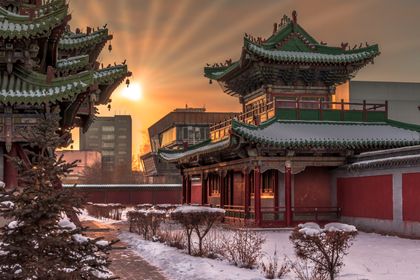
often served with a garden salad or just as a side with a meal. Within the city you will find a large selection of Korean restaurants, Hotpots, Chinese food and western classics such as Burger King, KFC & Pizza Hut. Due to the low food production in Mongolia almost all fresh fruit and vegetables are imported from china, so soft leafy greens, berries, avocados and other tropical selections are not readily available and can be quite expensive if available supermarkets. In Ulaanbataar, centuries-old nomadic traditions seamlessly collide with 21st-century modernity, where skyscrapers and upmarket shopping malls stand alongside historic Tibetan Buddhist monasteries and Soviet-era style apartment buildings. It is a vibrant city where you can spend your morning exploring ancient heritage museums and your
evening sipping craft beer or enjoying traditional mongolian performances.
A few important must knows are;
-Shoes are not worn inside, so be sure to remove them when entering someone's home, in many hotels you will find plastic disposable shoe covers after exiting elevators
-Dont touch people's heads, or hats as it is very offensive.
-If offered food or drink, accept as it is impolite not to, always try
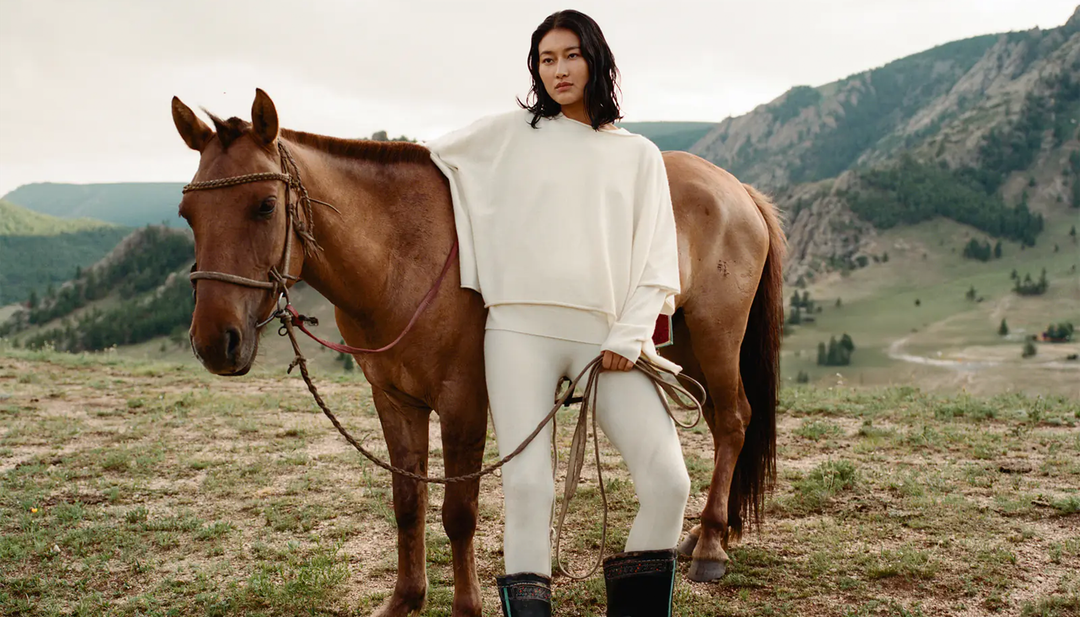
Mongolia produces the world’s finest cashmere because its brutal, freezing winters force native goats to grow an ultra-soft, insulating undercoat to survive. This results in incredibly long, fine fibers that are sustainably hand-combed by nomadic herders, offering you unmatched luxury and warmth that lasts a lifetime. With many designer cashmere stores within the city be sure to budget for at least one piece to take home.
The Language
As a native English speaker and someone who does not easily pick up languages, I have struggled with mongolian. But as every great tourist knows, a few basic words and a genuine interest goes a long way and the rest google translate can help with (but be warned google translate struggles in this department too, so somethings may get lost in translation).
These are my must knows
- Hello: Сайн байна уу? (pronounced san ban oo) The standard, polite greeting.
- Hi: Сайн уу? (pronounced san oo) - Used informally among friends.
- Reply: I am well; Сайн Сайн (pronounced San San)
- Thank you: Баярлалаа (pronounced Bysch-la)
- Yes / No: Тийм (pronounced tiem) / Үгүй (pronounced ugui)
- Excuse me / Sorry: Уучлаарай (pronounced urch-laa-rye)
- Okay / Got it: За (pronounced za) - An extremely common, versatile word used for "okay," "alright," or even to signal a polite goodbye.
Summary
Although Mongolia is known for its wild natural beauty, endless sweeping plains and nomadic lifestyle, Ulaanbaatar should not be left off your itinerary. This bustling city has so much to offer in culture, arts and history. Its laidback, social vibe in the summer, large shopping selections, extensive variety of cuisine, and hotels offering the luxury comforts of home make this is the perfect place to begin or end your ultimate Mongolian adventure.