Frequently Asked Questions
We've pulled together and answered some of our guests' most popular questions. Here you'll find everything you need to know; from who you'll be traveling with to whether tips are included.
What kind of tours does the "Juulchin" company organize?
We organize all types of domestic and international tours, customized corporate trips, special interest tours (such as marathons, golf, sports, nomadic life and cultural tours etc.), as well as inbound tours for foreign tourists visiting Mongolia.
Additionally, we provide international flight ticketing services.
What is included in the tour package price?
While it varies depending on the destination, most of our packages include 3-5 star hotel accommodations, meals specified in the itinerary, sightseeing and attraction tickets, local transportation, a tour guide, and travel insurance when necessary.
You can find the exact details of what is included and excluded in the specific tour's detailed itinerary.
1. Visa and Border Entry
- Question: Do I need a visa to travel to Mongolia?
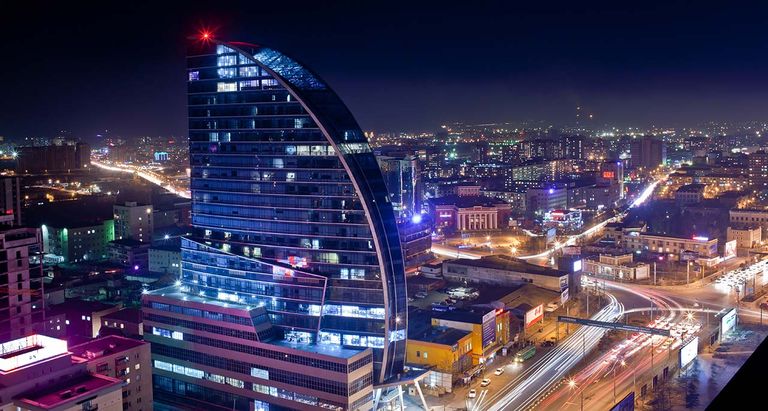
- Answer: Mongolia offers visa-free travel to citizens of many countries. Citizens of countries that require a visa can easily apply for an e-visa. (It is recommended to insert a link here to the e-visa portal and the list of visa-exempt countries).
2. Weather and Clothing
- Question: What is the weather like in Mongolia? What should I wear for the trip?
- Answer: Mongolia has an extreme continental climate. Summers are sunny and warm but get chilly at night, so dressing in layers is highly recommended. If you are traveling in the winter, it is essential to wear a windproof jacket and very warm winter boots.
3. Food and Energy
- Question: What are the characteristics of Mongolian food?
- Answer: The traditional diet of nomads is the most proven way to overcome extreme natural conditions. Nutrient-rich meat dishes and steaming hot buuz (traditional dumplings) provide travelers with the true strength and energy needed for long, active days. While there are many vegetarian options in Ulaanbaatar, it is necessary to notify us in advance when traveling to the countryside.
4. Payments and Currency
- Question: Can I use credit cards during the trip, or should I carry cash?
- Answer: International credit and debit cards are widely accepted at most service establishments in Ulaanbaatar. However, when traveling to rural areas, it is much safer and more reliable to carry cash (Mongolian Tugrik) for making purchases at small local shops or when visiting nomadic families.
5. Communication and Internet
- Question: How good is the internet connection in the countryside?
- Answer: Mobile data works very well in cities and provincial centers. However, in remote and scenic natural areas, the network connection may drop. This actually provides a wonderful opportunity to take a break from technology and truly connect with nature.
When is the best time to book a tour?
Book 4 to 6 months in advance. Summer (June to August) is peak season for the Naadam Festival, and winter (February to March) fills up rapidly for the Khovsgol Ice Festival. Late bookings risk missing out on top-tier guides and domestic flight tickets.
Are internal flights and entry fees included in the tour price?
Yes, typically. Juulchin’s standard packages are all inclusive. This covers domestic travel (like flying to the Gobi or Lake Khovsgol), 4x4 transport, National Park entry fees, museum tickets, meals, and accommodations. If unsure of inclusions, check with one of our dedicated travel specialists.
Will I have cellular service or Wi-Fi during the tour?
Only in towns and major camps. Ulaanbaatar has a high speed of 4G/5G. Once you hit the deep steppe, the signal drops completely. Some premium tourist ger camps offer satellite Wi-Fi in their main dining halls, but expect to be completely offline during travel days.
How much cash should I bring, and what currency?
Currency exchange centres at the Airport and State Department Store exchange all major global currencies with Major bank ATMs excepting VISA and Mastercard. You will only need cash for alcoholic drinks, souvenirs, and tips for your driver and guide.
1. How cold is it in Mongolia during winter?
Mongolian winters are very dry and cold. The season usually lasts from November to March. During the peak cold in January, it is perfectly normal for night temperatures to drop to -30°C to -40°C (-22°F to -40°F). However, because of the dry air, the cold feels relatively different compared to winters in humid countries. If you are dressed appropriately, it is entirely manageable.
2. What can tourists do in the winter?
A winter trip is rich not only in viewing beautiful, snow-covered nature but also in many exciting events and activities:
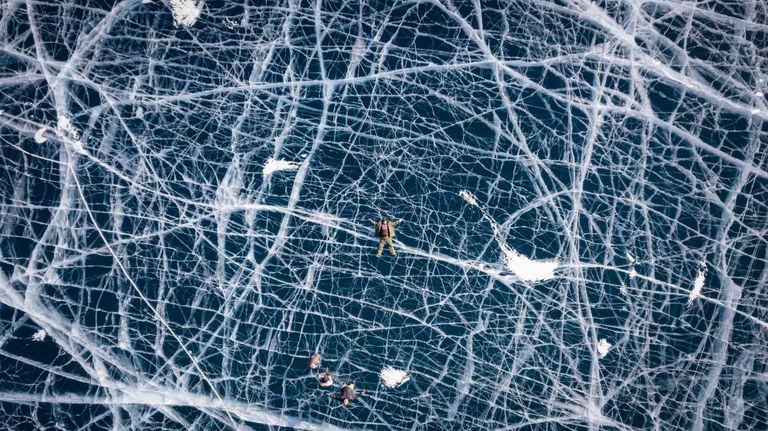
- Khuvsgul Ice Festival: Held in early March every year, it is an amazing event featuring ice sculptures, games on the ice, and traditional shamanic rituals.
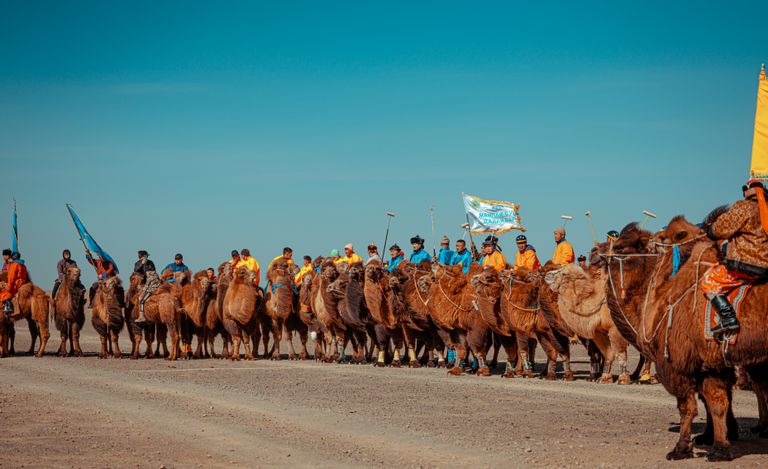
- Camel Festival: Held in the Umnugovi (South Gobi) province, this festival offers a chance to see two-humped Bactrian camel races and experience the heritage of camel herders.
- Winter Sports: Dog sledding, skiing, and ice skating.
- Nomadic Lifestyle: Visit a herder family spending the winter in the snow-covered steppes. You can experience their warm hospitality and the traditional atmosphere of Tsagaan Sar (the Mongolian Lunar New Year, usually in February) firsthand.
3. How reliable is transportation and the roads?
Note: There is a risk of roads and mountain passes closing due to heavy snowfall. Therefore, it is highly recommended to travel with an experienced local driver and guide rather than renting a car and driving independently.
Domestic flights are reduced during the winter, so it's necessary to keep your itinerary flexible. When traveling to the countryside, you must use a reliable 4x4 vehicle equipped with high-quality winter tires.
4. How should I dress?
The most important rule is "Layering".
- Base Layer: Moisture-wicking and heat-retaining thermal underwear (Merino wool is the best choice).
- Outer Layer: A windproof, long, thick down jacket, and insulated winter pants.
- Footwear: Very warm, winter-specific boots with thick, non-slip soles.
- Accessories: A warm wool hat, a thick scarf, and insulated gloves (mittens keep your hands much warmer than fingered gloves) are absolutely essential.
5. Are tourist camps and ger (yurt) guest houses open in winter?
Yes. There are standard ger camps that operate year-round near Ulaanbaatar, Gorkhi-Terelj National Park, and other main travel destinations. These gers are equipped with underfloor heating or traditional wood-burning stoves, making them very warm and comfortable. However, because there are fewer options open compared to the summer months, you need to book and confirm your reservations well in advance.
Cultural Immersion & Design
A ger (often referred to as a yurt) is a circular, felt-insulated wooden structure engineered for mobility and extreme weather. Inside, you will experience a centuries-old spatial layout centered around nomadic philosophy.
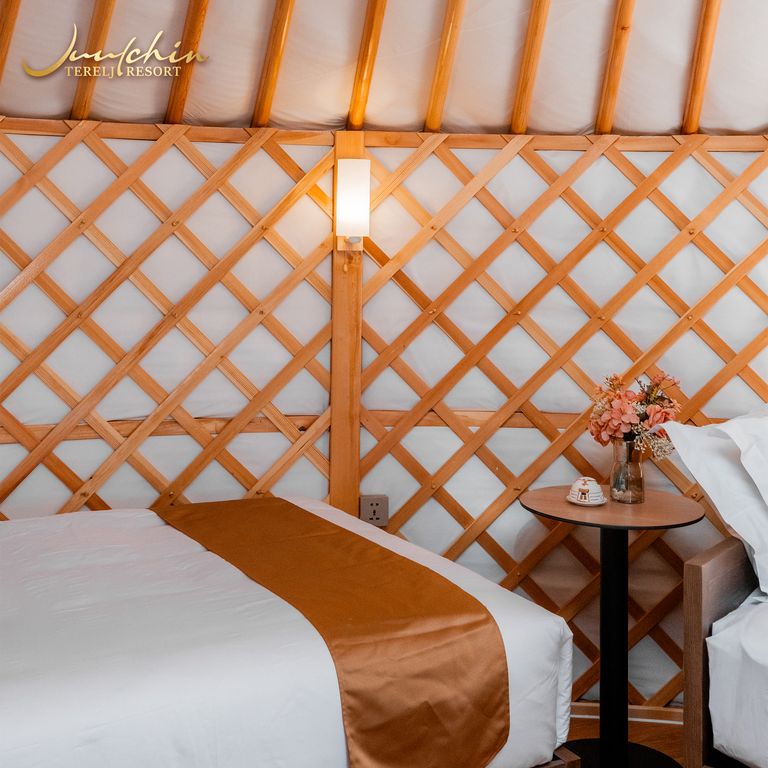
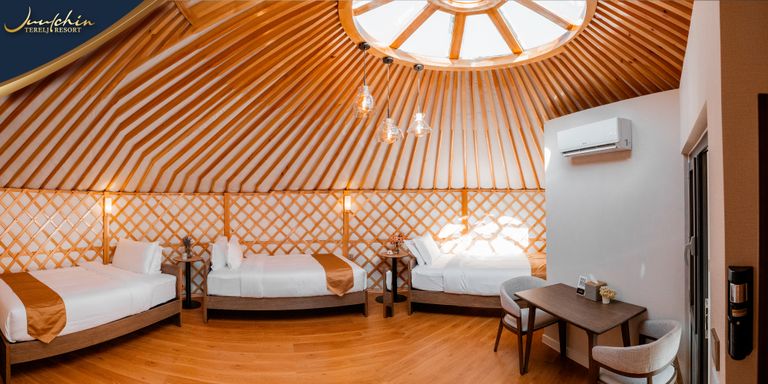
- Architecture: The structure relies on flexible wooden lattice walls (khana), central support pillars (bagana), and a circular roof crown (toono) that lets in natural sunlight and acts as a chimney vent.
- Symbolism: The ger interior is traditionally arranged with sacred spaces opposite the door, living areas on the sides, and the hearth in the center representing the fire and spirit of the home.
- Atmosphere: The natural felt insulation and round shape create a cozy, quiet environment that keeps cool during hot afternoons and retains warmth during chilly nights.
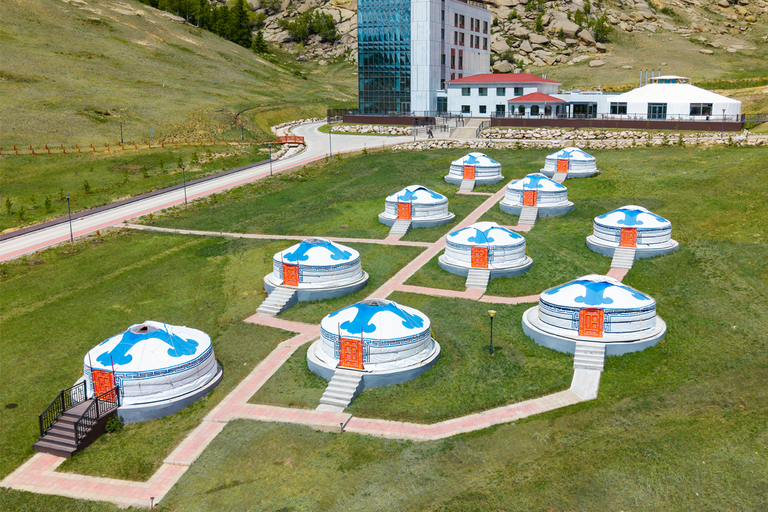
Modern Amenities & Facilities
Ger camps balance rustic living with practical conveniences to accommodate international travelers.
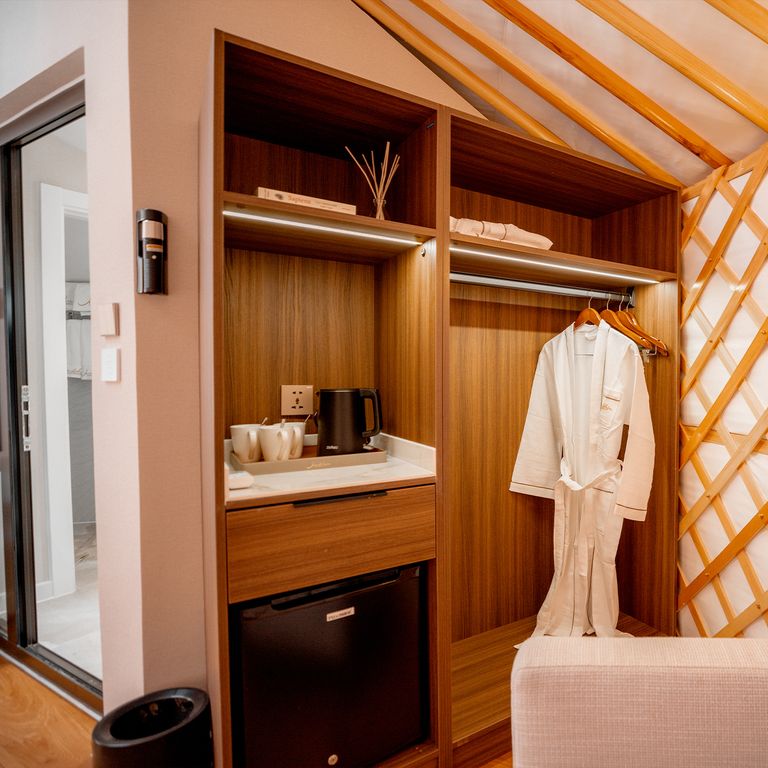
- Furnishings: Standard gers feature two to four single wooden beds with warm blankets, colorful hand-painted furniture, small tables, and a central wood-burning stove.
- Sanitation: Shower and toilet facilities are typically housed in a central, modern service building with 24-hour running hot water. Premium or "Deluxe" camps offer en-suite gers featuring private indoor bathrooms.
- Dining: Meals are served in a large central dining ger or main building, offering set menus that combine authentic Mongolian specialties with recognizable Western dishes.
- Power & Connectivity: 220V electrical outlets are available inside most gers for charging phones and camera equipment. Wi-Fi access is usually available in the main reception or restaurant area.
Practical Tips for Your Stay
- Mind the Threshold: Never step on the wooden threshold (bosgo) when entering or leaving a ger, as it is considered disrespectful to the host's home.
- Observe Ger Rules: Walk clockwise around the central pillars and hearth when moving inside. Always accept food, tea, or items using your right hand (or supporting your right elbow with your left hand).
Nighttime Prep: Keep a headlamp or flashlight handy for walking to bathroom facilities after dark. Pack warm layers, as countryside temperatures drop quickly after sunset, though camp staff will light your fire early in the morning upon request.
1. How far in advance should I book a winter tour?
We recommend booking your winter expedition 2 to 4 months in advance. While winter is not as crowded as the summer Naadam season, specific iconic winter events—such as the Khuvsgul Ice Festival (held in March) or dog-sledding packages—fill up rapidly. Early booking ensures the best availability for native speaking guides, 4x4 vehicles, and domestic flights.
2. What is included in Juulchin’s standard winter tour packages?
Juulchin’s packages are designed to be hassle-free and all-inclusive. Typically, your booking covers:
- Accommodations (a mix of comfortable city hotels in Ulaanbaatar and heated ger resorts or local tourist camps in rural areas)
- All meals (traditional high-calorie nomadic foods, hot soups, and international options)
- Private 4x4 vehicle transfers and professional drivers experienced in winter conditions
- Professional local tour guides
- National Park entrance fees and permits
3. Can I customize my winter itinerary?
Absolutely! Alongside our signature winter packages (such as the Ulaanbaatar & Terelj Winter Adventures or Gobi Desert Winter Tours), Juulchin specializes in tailor-made private itineraries. You can share your dates and interests, and our local travel experts will craft a personalized route within 24 hours.
4. What kind of special winter activities can I experience?
Mongolia in winter unlocks unique cultural and adventure activities you cannot do in summer, including:
- Attending the famous Khuvsgul Ice Festival or local camel/eagle celebrations.
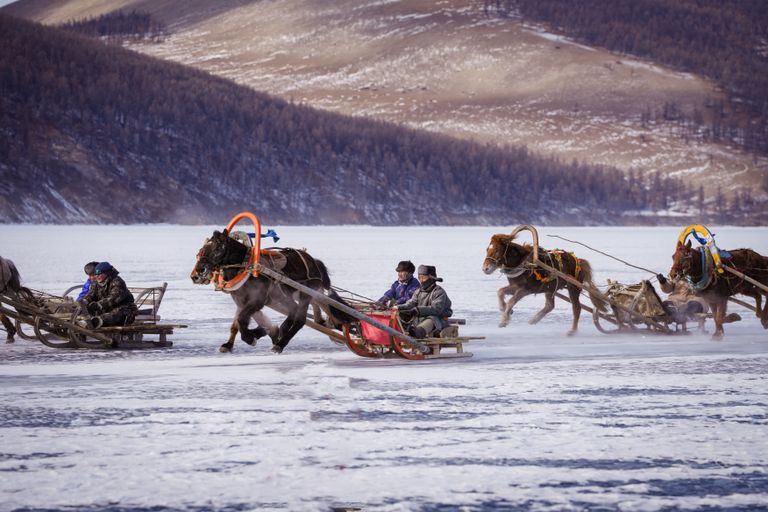
- Trying dogsledding or horse-sledding across snow-covered taigas and steppes.
- Ice fishing on pristine frozen lakes.
- Experiencing authentic hospitality by staying with a nomadic family in their winter ger.
5. What should I pack for a winter trip with Juulchin?
The golden rule of Mongolian winter fashion is Layering:
- Base Layer: Moisture-wicking thermal underwear (Merino wool is ideal).
- Middle Layer: Fleece jackets or high-quality cashmere/wool sweaters.
- Outer Layer: A heavy-duty, windproof down parka and insulated winter trousers.
- Accessories: Insulated winter boots, thermal socks, windproof gloves, and a fur hat or beanie covering your ears.